

Purchasing land in Nigeria can be a rewarding investment — but it also comes with legal complexities and risks. Buyers often underestimate how much these risks vary based on the property’s history, location, and current use.
There is no one-size-fits-all due diligence checklist — the necessary checks depend on the specific circumstances of each transaction. However, here are five key steps that commonly arise in many transactions and should be considered carefully with your lawyer:
1. Land Registry Search: Verifying Registered Interests

One important step is to conduct a search at the relevant Land Registry to confirm the ownership and legal status of the property. A registry search can help reveal:
- The registered owner’s name and title documents.
- Any registered interests, such as mortgages, leases, or third-party rights.
- Cautions or notices lodged against the property (warning of disputes or adverse claims).
- Whether the land is subject to government acquisition.
A registry search provides valuable insight into whether the property is truly available for sale and whether it is free from known legal encumbrances.
2. Surveyor General’s Office Check: Confirming Boundaries and Acquisition Status

Checking records at the Surveyor General’s Office is another important due diligence step. This allows the buyer (through their legal team or surveyor) to:
- Verify that the land’s physical boundaries match the seller’s representations and title documents.
- Determine whether the land falls within any area reserved for government acquisition or public use.
Without this check, buyers risk acquiring land that may be marked for compulsory acquisition — an issue that often leads to disputes and financial loss.
3. Probate Registry Search: Reviewing Inherited Titles

When land is being sold as part of an inheritance, additional caution is required. It is important to confirm whether:
- The seller holds valid letters of administration or a grant of probate.
- The land was properly included in the deceased’s estate and validly transferred.
Failure to verify these matters may expose the buyer to competing claims by family members or other beneficiaries.
4. Court Registry Search: Identifying Pending Litigation

Conducting a court registry search can help identify whether the property is the subject of any ongoing litigation, such as:
- Ownership disputes.
- Boundary disagreements.
- Claims by third parties.
Court judgments and orders can impact property rights and may override registered interests — making this a vital but sometimes overlooked aspect of due diligence.
5. Physical Inspection and Community Enquiries: Managing Practical Risks
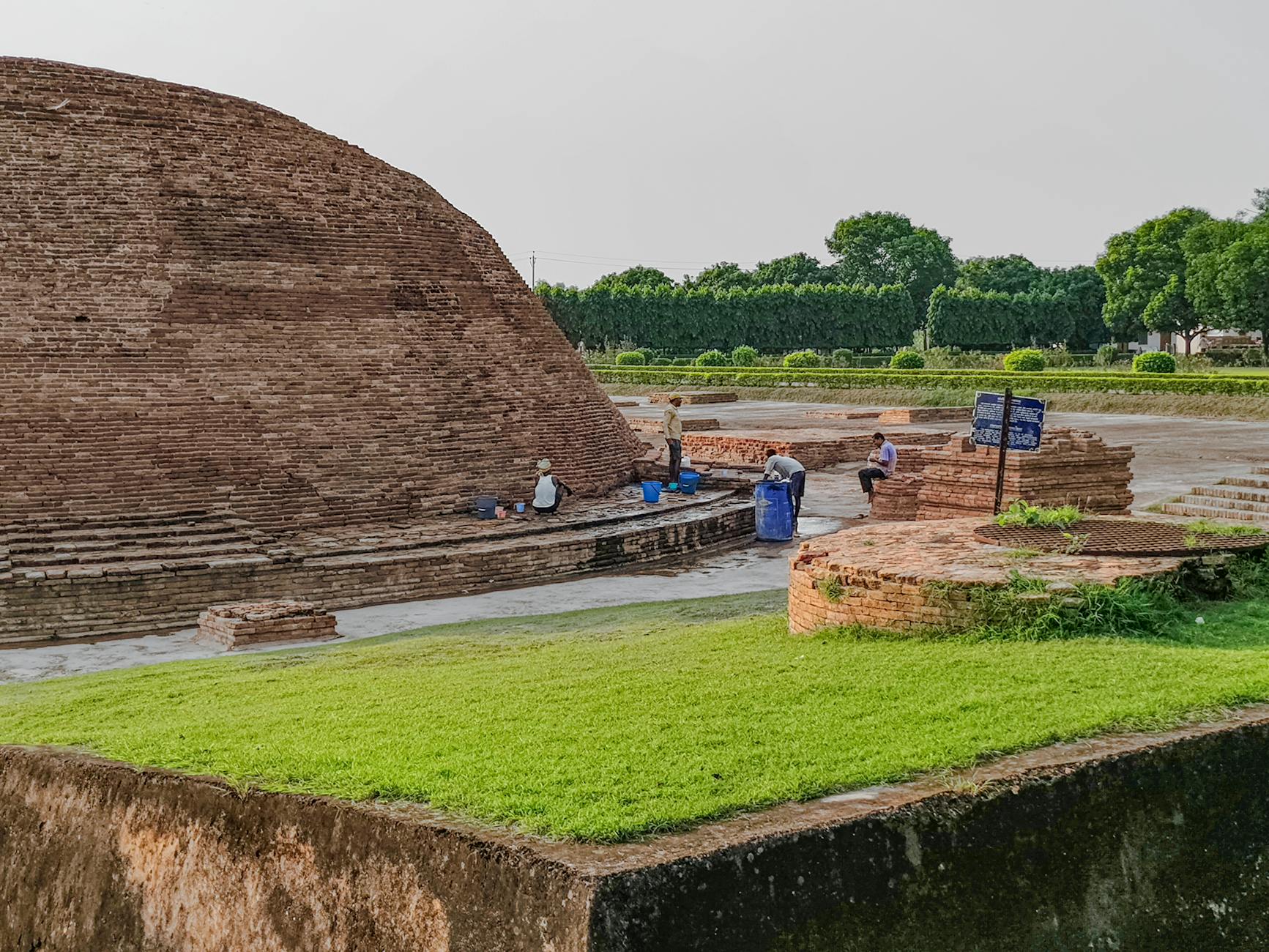
In addition to document-based checks, visiting the property and making community enquiries is critical. A physical inspection can help uncover:
- Signs of adverse possession (where someone may have occupied the land openly and continuously for a long period, potentially acquiring legal rights).
- Physical cautions or legal warnings about the property.
- Discrepancies between the seller’s representations and the property’s actual use or occupation.
For example, under Section 112 of the Lagos State Land Registration Law 2015, adverse possession rights can arise after 12 years of continuous, open occupation. Speaking with neighbours and inspecting the land yourself (or through trusted representatives) can reveal issues not obvious from official records alone.
Final Thoughts

The due diligence process for real estate in Nigeria must always be tailored to the specific transaction. The checks outlined above are commonly encountered but may not be sufficient in every case. Depending on the property’s history and documentation, additional inquiries — including environmental checks, zoning confirmations, or checks with local authorities — may be appropriate.
Engaging an experienced real estate lawyer to help design and manage the due diligence process can save buyers from expensive surprises later.
Engaging an experienced real estate lawyer to help design and manage the due diligence process can save buyers from expensive surprises later.
Remember: smart due diligence today is what protects your investment tomorrow.
Planning to invest in Nigerian real estate? Our lawyers can guide you through the right due diligence checks for your transaction. Reach out to us here.
#RealEstate #DueDiligence #NigerianLaw #LandTransactions #PropertyLawyer #SafeInvesting #LawyerInLagos
 Syntax Legal Practitioners
1 thought on “Due Diligence in Nigerian Real Estate: 5 Important Checks to Consider”